Dream of the Dragon

Category: future science

Resurrecting Mammoths

by Justin

Hold on to your butts. University of Manitoba professor Kevin Campbell has ushered in an era of “virtual scientific time travel” by recreating the hemoglobin of the long extinct woolly mammoth. And if that immediately reminds you of Jurassic Park, it’s only going to get more uncanny:

Campbell and his team were able to extract DNA from three woolly mammoths preserved in the Siberian permafrost. And because mammoths are so similar to elephants, he was able to modify living elephant DNA, letter by letter, to make working mammoth genes. He inserted those genes into e. coli bacteria.

Then, Campbell says, “the e.coli simply followed the recipe” and made mammoth hemoglobin that did “everything it would have done if it had been inside a mammoth.”

That’s taken from the NPR All Things Considered story about this latest bit of science fiction. Read the rest of this entry »

Newsweak.

by Justin

It should come as no surprise that declining readership for newsweeklies has driven one of the principle three to put itself up for auction. Many news sites and a number of bloggers I read paid special attention to what it portents for the field of journalism that Newsweek may become no more. The newsweekly launched in 1933, in what was a remarkable era for news in general. In the midst of Depression and in the wake of a world war the United States could boast a more concerned citizenship than many chapters in history. Local newspapers covered what they could, and the giants like the New York Times hadn’t begun to circulate nationally. Radio was rising in popularity but not yet a significant source of international news, and broadcast television didn’t find any momentum until after World War II. Someone had to cover national and international stories and spread the word throughout the country. Read the rest of this entry »

Sunshine.

by Justin

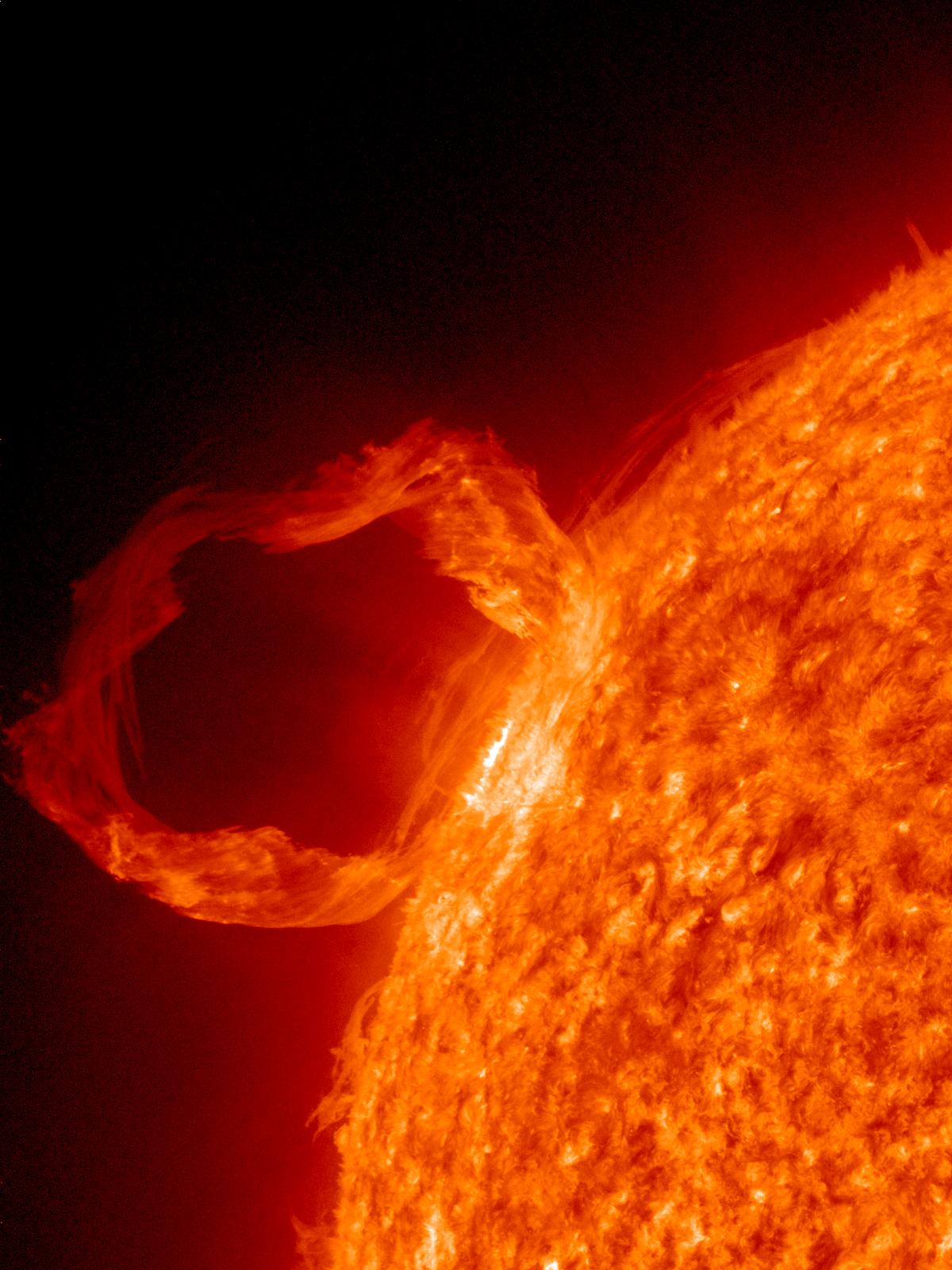
Images cranked out by Hubble or other impossible pieces of space technology tend to set the bar for mind-blowing. NASA just released images from one of its latest, and maybe most practical initiatives:

SDO: The Solar Dynamics Observatory is the first mission to be launched for NASA’s Living With a Star (LWS) Program, a program designed to understand the causes of solar variability and its impacts on Earth. SDO is designed to help us understand the Sun’s influence on Earth and Near-Earth space by studying the solar atmosphere on small scales of space and time and in many wavelengths simultaneously. Read the rest of this entry »